
Source: Inspired by reports from Gulf News (https://gulfnews.com/uae)
Introduction
Dubai continues to solidify its position as a global trade and logistics hub with the announcement of significant developments in its free zone ecosystem. In the first half of 2025, the emirate has seen a surge in new company registrations and infrastructure projects aimed at bolstering the logistics sector. This growth aligns with Dubai’s broader vision to become a pivotal node in international trade, connecting markets across the Middle East, Africa, and Asia. The latest initiatives are set to attract multinational corporations and regional players alike, fostering an environment of innovation and efficiency in logistics operations.
Unprecedented Growth in Free Zone Registrations
Dubai’s free zones have welcomed thousands of new companies in 2025, with a significant portion focusing on logistics and supply chain management. The Dubai Multi Commodities Centre (DMCC) reported a notable increase in registrations, particularly from firms in the trade and technology sectors. This growth is attributed to the emirate’s strategic location, world-class infrastructure, and business-friendly policies. The influx of logistics companies reflects a deeper trend of businesses recognizing Dubai as a gateway to emerging markets. With access to over 3 billion consumers within a few hours of flight time, companies are leveraging Dubai’s connectivity to streamline supply chains.
New Infrastructure Projects to Support Logistics Expansion
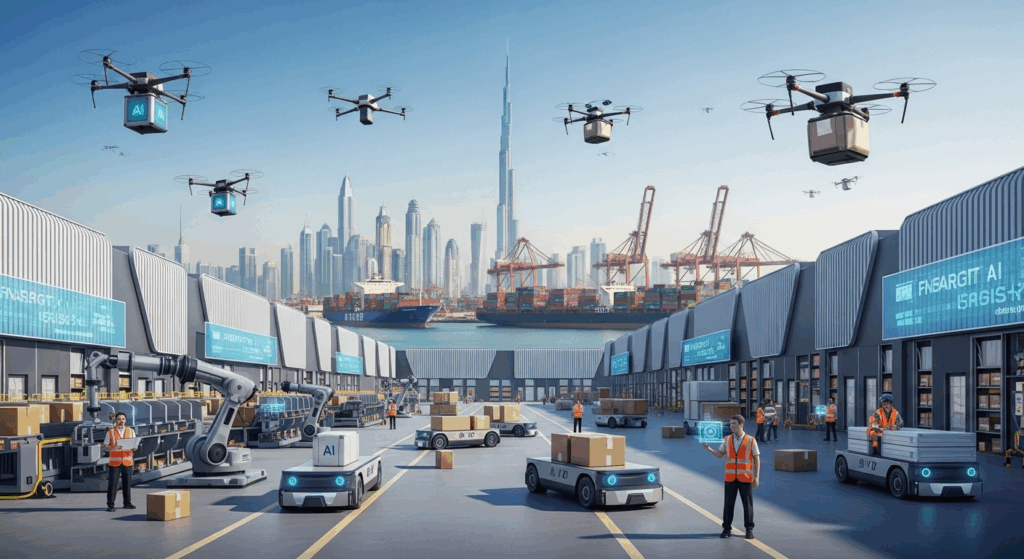
Alongside increased registrations, Dubai has launched ambitious infrastructure projects to support logistics. These include expanded warehousing facilities and integration of smart technologies in free zones to enhance efficiency, reduce turnaround times, and lower costs. Flagship initiatives feature advanced logistics hubs with automated systems and AI-driven solutions designed to handle higher cargo volumes securely and sustainably. Many facilities also incorporate green technologies to reduce environmental impact.
Policy Reforms Driving Logistics Growth
The government has introduced reforms such as simplified licensing, reduced customs clearance times, and incentives for tech-driven solutions. These policies enable businesses to scale operations efficiently while maintaining international standards. Strengthened partnerships with global trade organizations further position Dubai as a leader in global supply chain management.
Strategic Location and Regional Trade Opportunities
Dubai’s strategic location at the crossroads of Europe, Asia, and Africa remains a key driver of its logistics growth. Serving as a link in the Belt and Road Initiative, it facilitates trade between East and West. Recent trade agreements with neighboring countries further boost demand for warehousing, transport, and distribution services.
Technology as a Game-Changer in Logistics
Digital transformation is reshaping Dubai’s logistics sector. Blockchain enhances supply chain transparency, IoT enables real-time cargo monitoring, and autonomous vehicles and drones are revolutionizing last-mile delivery. These innovations address challenges like congestion and labor shortages, while positioning Dubai’s free zones at the forefront of logistics technology adoption.
Challenges and Solutions in Scaling Logistics Operations
Despite growth, challenges such as rising costs, global supply chain disruptions, and fuel price volatility persist. Dubai addresses these through incentives, support programs, and public-private partnerships (PPPs) in infrastructure and workforce training, ensuring resilience and long-term stability.
Impact on Employment and Human Resources
The logistics boom is driving demand for skilled professionals in supply chain management, data analytics, and technology integration. Training and upskilling programs are ensuring a steady pipeline of talent, while companies invest in employee development to remain competitive. This creates opportunities for both local and international professionals.
Opportunities for Business Expansion and Partnerships
The sector is fostering strategic partnerships, collaborations, and mergers and acquisitions. Dubai’s free zones serve as launchpads for scaling across the Gulf, offering fertile ground for both startups and established firms seeking to expand their logistics footprint.
Marketing and Visibility in the Logistics Sector
As competition grows, logistics companies are investing in digital advertising, trade exhibitions, and branding campaigns. Dubai’s global events and trade shows provide platforms for visibility, while strong online presence and targeted campaigns help firms connect with clients.
Investment Potential in Dubai’s Logistics Sector
Logistics offers lucrative investment opportunities, from warehousing and freight forwarding to tech-driven startups. Supported by investor-friendly policies and steady foreign direct investment (FDI), the sector presents attractive returns for global investors looking to enter or expand in the UAE market.
Conclusion: A Bright Future for Logistics in Dubai
Dubai’s logistics sector is on track for significant growth in 2025, driven by free zone developments, technological advancements, and supportive policy reforms. With world-class infrastructure, strategic location, and a focus on innovation, Dubai is reinforcing its status as a global logistics powerhouse. The future promises ample opportunities for businesses and investors ready to thrive in this dynamic and transformative market.